Trézór Bridge®™ | Smooth, Safe, and Encrypted Crypto Connectivity
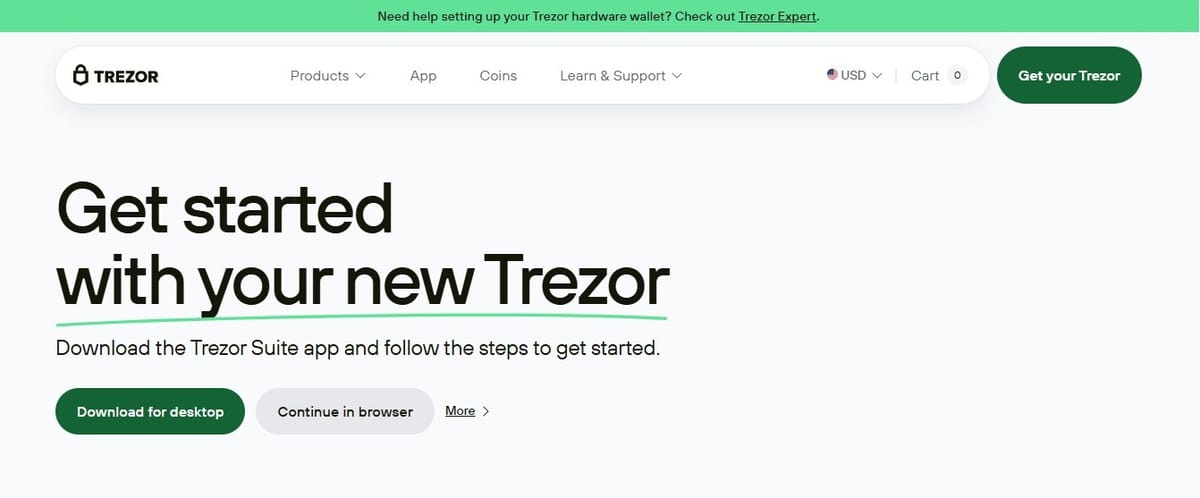
When it comes to securing cryptocurrency, Trezor hardware wallets are among the most trusted solutions in the industry. However, to use a Trezor device smoothly with your computer and browser, one essential component plays a critical role behind the scenes — Trezor Bridge.
In this blog, we’ll explore what Trezor Bridge is, why it’s important, how it works, and how to install or troubleshoot it.
What Is Trezor Bridge?
Trezor Bridge is a communication software that acts as a secure link between your Trezor hardware wallet and your web browser or desktop applications.
Modern browsers no longer support certain low-level device communication methods for security reasons. Trezor Bridge solves this problem by enabling safe and reliable interaction between your Trezor device and the Trezor Suite or supported third-party wallets.
In simple terms:
Trezor Bridge allows your computer to “talk” to your Trezor device securely.
Why Is Trezor Bridge Important?
Without Trezor Bridge installed, your computer may not recognize your Trezor device properly. This can prevent you from:
- Accessing Trezor Suite
- Sending or receiving cryptocurrency
- Managing accounts and balances
- Updating firmware
- Connecting to third-party wallets (like MetaMask)
Trezor Bridge ensures secure device detection, encrypted communication, and smooth wallet operations across supported platforms.
How Trezor Bridge Works
Trezor Bridge runs quietly in the background on your computer. When you connect your Trezor device via USB:
- The browser or wallet app sends a request
- Trezor Bridge securely relays that request to the device
- The device responds after user confirmation
- Trezor Bridge sends the response back to the application
At no point are your private keys exposed — they always remain safely inside the hardware wallet.
Supported Operating Systems
Trezor Bridge is compatible with major operating systems, including:
- Windows
- macOS
- Linux
Once installed, it typically updates automatically to ensure compatibility and security.
How to Install Trezor Bridge
Installing Trezor Bridge is straightforward:
- Connect your Trezor device to your computer
- Open Trezor Suite or visit the official Trezor setup page
- If Bridge is required, you’ll be prompted to install it
- Download and run the installer
- Restart your browser after installation
After installation, your Trezor device should be recognized automatically.
Trezor Bridge vs WebUSB
Some modern browsers support WebUSB, which allows direct device communication without Bridge. However:
- WebUSB support varies by browser
- Trezor Bridge offers more consistent compatibility
- Bridge is often required for desktop applications
For the most stable experience, especially on older systems or browsers, Trezor Bridge is recommended.
Common Issues and Troubleshooting
If Trezor Bridge isn’t working as expected, try the following:
1. Restart Everything
- Unplug your Trezor
- Restart your computer and browser
- Reconnect the device
2. Check If Bridge Is Running
- On Windows or macOS, ensure Trezor Bridge is active in background processes
3. Disable Conflicting Wallet Software
- Other crypto wallet services may interfere with USB access
4. Reinstall Trezor Bridge
- Uninstall the current version
- Install the latest version again
5. Use an Official USB Cable
- Faulty or charge-only cables can cause connection issues
Security Considerations
Trezor Bridge is designed with strong security principles:
- No access to private keys
- Encrypted communication
- Signed updates
- Developed and maintained by Trezor
Always download Trezor Bridge from official Trezor sources to avoid malicious software.
Final Thoughts
Trezor Bridge may not be something users interact with directly, but it’s a vital component of the Trezor ecosystem. It ensures secure, reliable communication between your hardware wallet and your computer, making crypto management smooth and safe.