Trézor Bridge® | Crypto* in TreZor™ Suite™ -Ghost
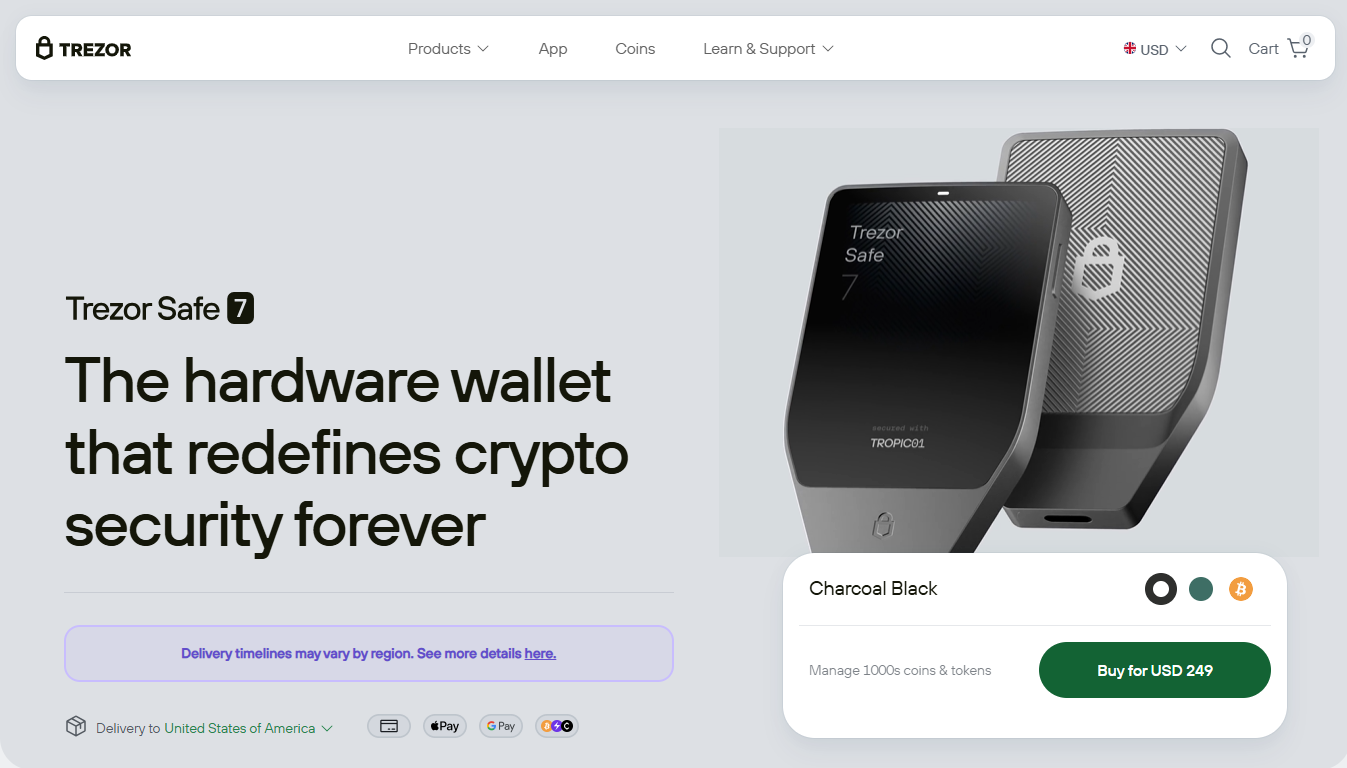
When it comes to cryptocurrency security, Trezor is one of the most trusted hardware wallet brands in the world. If you use a Trezor device, you may have heard of Trezor Bridge—but many users aren’t entirely sure what it does or why it’s necessary. This article explains Trezor Bridge in simple terms and shows how it fits into your crypto security setup.
What Is Trezor Bridge?
Trezor Bridge is a small software application that enables communication between your Trezor hardware wallet and your web browser. In short, it acts as a “bridge” between your physical device and Trezor’s web-based interface, such as Trezor Suite.
Without Trezor Bridge installed, your browser may not be able to detect or interact with your Trezor wallet properly—especially on browsers that no longer support certain plugins.
Why Trezor Bridge Is Important
Trezor Bridge plays a crucial role in ensuring a smooth and secure experience. Here’s why it matters:
- Secure communication: It allows encrypted data exchange between your Trezor device and your computer.
- Browser compatibility: Modern browsers like Chrome, Firefox, and Edge rely on Trezor Bridge instead of older browser extensions.
- Seamless transactions: Sending, receiving, and managing crypto assets works reliably with Bridge installed.
- Firmware updates: Trezor Bridge helps ensure your device stays up to date with the latest security patches.
How Trezor Bridge Works
When you connect your Trezor device to your computer via USB:
- Trezor Bridge runs quietly in the background.
- Your browser sends requests to Trezor Bridge instead of directly to the device.
- Trezor Bridge securely forwards those requests to your hardware wallet.
- You confirm actions (like transactions) on the Trezor device itself.
This design ensures that private keys never leave the hardware wallet, even when interacting with web applications.
Do You Still Need Trezor Bridge?
If you use Trezor Suite (desktop app), you may not need Trezor Bridge, since the desktop version communicates directly with the device. However, if you use:
- Trezor Suite web version
- Third-party web wallets
- Browser-based crypto services
Then Trezor Bridge is still required.
How to Install Trezor Bridge
Installing Trezor Bridge is straightforward:
- Download the installer for your operating system (Windows, macOS, or Linux).
- Run the installation file.
- Restart your browser after installation.
- Connect your Trezor device and open Trezor Suite or a supported web wallet.
Once installed, Trezor Bridge runs automatically in the background.
Common Issues and Troubleshooting
Some users experience connection issues. Here are quick fixes:
- Restart your browser after installing Trezor Bridge
- Unplug and reconnect your Trezor device
- Make sure no conflicting wallet software is running
- Check that your firmware is up to date
If problems persist, reinstalling Trezor Bridge usually resolves them.
Is Trezor Bridge Safe?
Yes. Trezor Bridge is developed by SatoshiLabs, the creators of Trezor. It does not store private keys or sensitive information. All critical actions must still be physically confirmed on your hardware wallet, making it highly secure.
Final Thoughts
Trezor Bridge may run quietly in the background, but it plays a vital role in connecting your hardware wallet to the web securely. Whether you’re managing Bitcoin, Ethereum, or other cryptocurrencies, having Trezor Bridge installed ensures smooth operation, strong security, and peace of mind.
If you’re serious about protecting your digital assets, understanding tools like Trezor Bridge is an important step in your crypto journey.